


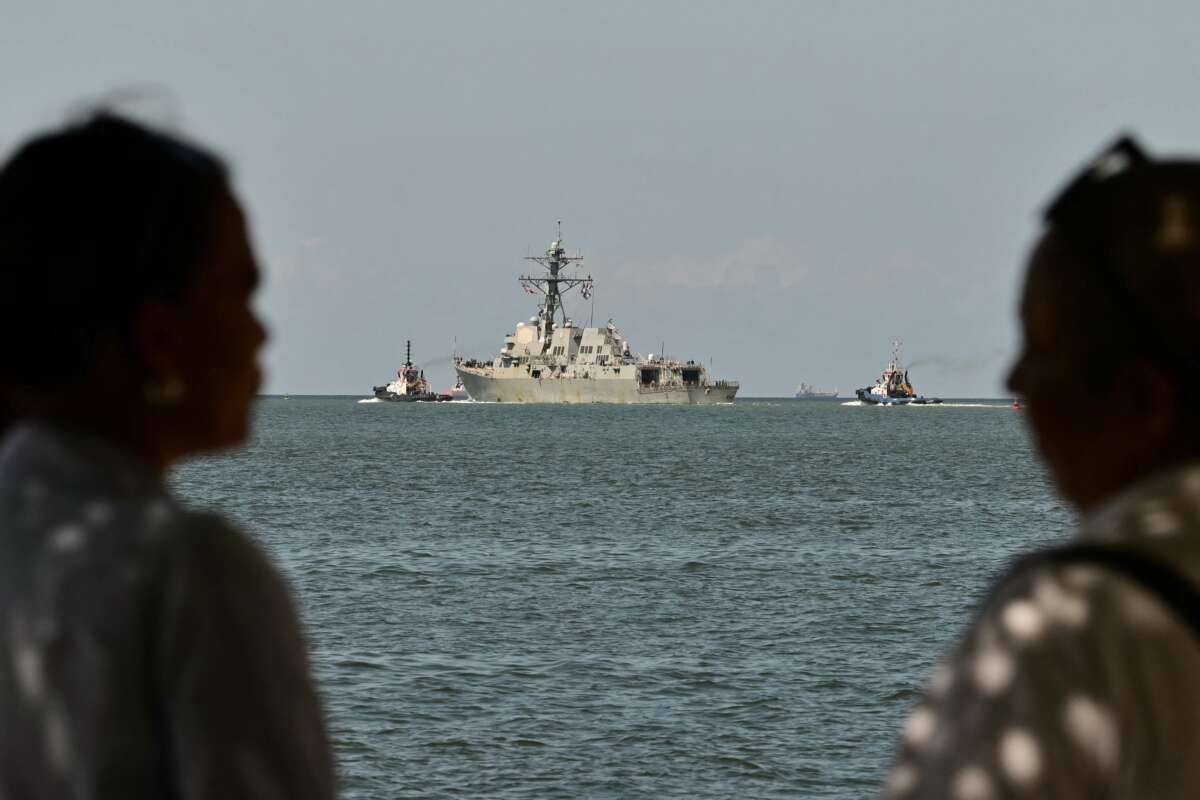
Caribbean Community (CARICOM) leaders are pressing the United States for greater transparency over a series of deadly military strikes in the Caribbean Sea, amid growing regional concern about civilian casualties, international law, and the absence of official communication surrounding the operations.
The issue resurfaced during the closing news conference of the 51st Regular Meeting of CARICOM Heads of Government in Saint Lucia, where several regional leaders acknowledged that they have received little to no information from Washington regarding the strikes, despite reports that Caribbean nationals may have been among those killed.
- Advertisement -
Saint Lucia’s Prime Minister Philip J. Pierre said CARICOM governments have repeatedly sought clarification from U.S. officials but have not been provided with sufficient details about the operations, including the identities of those killed, the legal justification for the strikes, or the procedures used to determine targets. He stressed that while governments across the region support efforts to combat transnational crime, they also expect international law and due process to be respected.
The military operations form part of the United States’ ongoing anti-narcotics campaign, known as Operation Southern Spear, under which U.S. forces have carried out airstrikes against vessels suspected of transporting illicit drugs through Caribbean waters. Since the operation began in 2025, dozens of suspected traffickers have reportedly been killed in multiple maritime strikes across the Caribbean and eastern Pacific.
Trinidad and Tobago Prime Minister Kamla Persad-Bissessar also addressed the controversy but stopped short of describing the deaths as unlawful killings. She maintained that her government remains committed to fighting organised crime while continuing to seek additional information about incidents involving Trinidad and Tobago nationals.
CARICOM leaders emphasized that the region’s concerns are not rooted in opposition to international cooperation against drug trafficking, but rather in ensuring that security operations conducted within or near Caribbean waters adhere to internationally accepted legal standards and respect the sovereignty of regional states. Several leaders reiterated that transparency, accountability, and timely information-sharing are essential to maintaining trust between Caribbean governments and their international partners.
The renewed calls follow months of regional debate over the U.S. military campaign, with CARICOM previously agreeing to gather additional facts about the strikes and reaffirming that any security action in the Caribbean should be consistent with international law and the principles governing the Caribbean Sea as a Zone of Peace.
While Washington has consistently described the operations as part of its strategy to disrupt narcotics trafficking networks, CARICOM leaders say they will continue seeking formal explanations and greater cooperation to ensure that regional security efforts do not come at the expense of transparency, human rights, or the rule of law.


